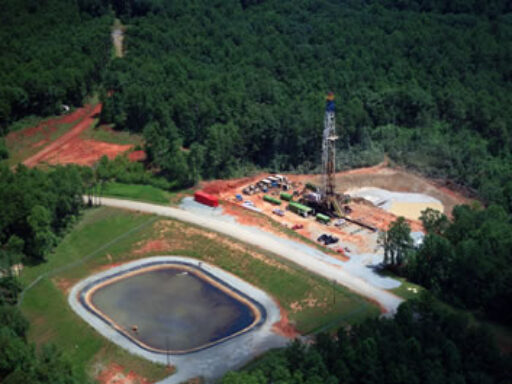
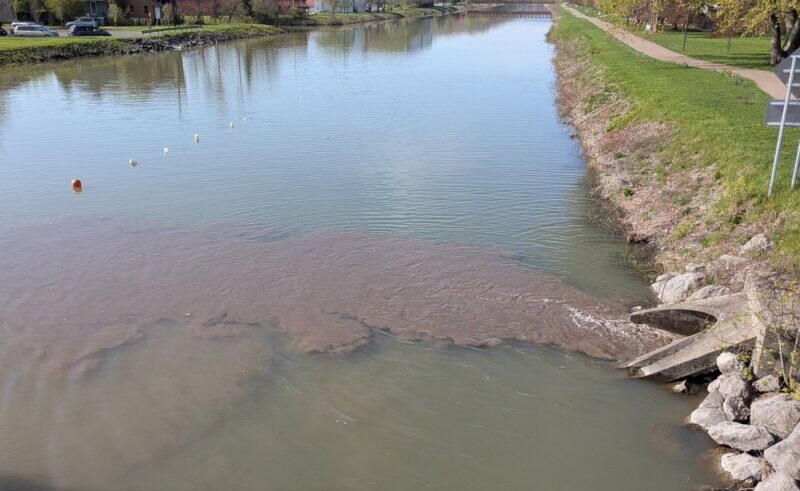
The new technology of horizontal drilling combined with high volume slick water hydraulic fracturing has opened up the Marcellus and other shale deposits around the world as a source of natural gas. It has also raised serious concerns about environmental risks to water, air and forests as well as long-term impacts on rural communities and economies.
CSI’s Responses
The Community Science Institute is responding to the risks to water in several ways. First, we have developed a baseline testing program for homeowners as a form of insurance against the possibility that their well, pond or stream might be contaminated by waste from a nearby shale gas operation. Baseline testing does not protect against contamination; however, it can provide a basis for holding gas companies accountable to New York State regulatory agencies and in the courts.
Second, CSI has launched the Regional Baseline Initiative. The goal is to create a baseline of groundwater quality for the Southern Tier region, where “hydrofracking” is most likely to begin first in New York, by pooling the results of baseline tests for private drinking water wells. The pooled results of private well tests will be analyzed and presented on this website using anonymous formats that safeguard homeowners’ privacy. We need our clients’ permission to add their data to the online pool, and many have responded positively to our request. Click here to view a table of preliminary results from our Regional Baseline Initiative.
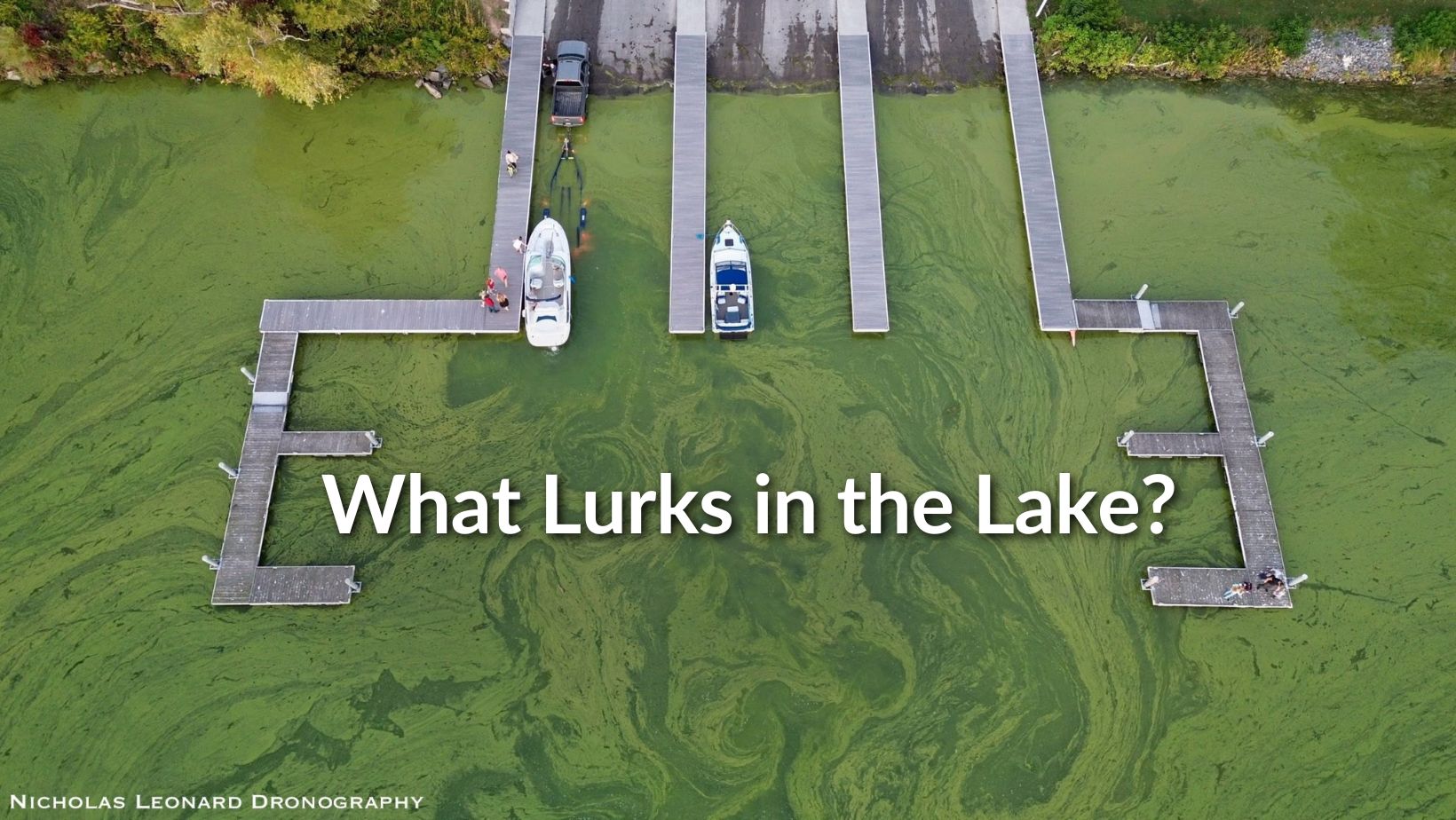
Finally, CSI has begun recruiting and training groups of volunteers to partner with our certified lab to monitor streams and lakes in the Southern Tier as part of the “Red Flag” stream monitoring program. Our Southern Tier monitoring initiative builds on our experience in the Cayuga Lake watershed, where we have partnered with seven volunteer groups to monitor water quality since 2003 and posted monitoring results on this website since 2006. The “Red Flag” stream monitoring program now has three active volunteer groups in the Upper Susquehanna River Basin and is currently training more volunteers in Steuben, Chemung and Schuyler counties.
Baseline Testing
The Community Science Institute’s New York State-certified lab, NYSDOH-ELAP #11790, offers baseline testing of private drinking water wells for “signature chemicals” associated with contamination from shale gas operations. We have performed baseline testing on over 150 private wells, springs, ponds and lakes since 2009. Click here to view FAQ about Baseline Testing.
Baseline testing measures the levels of “signature chemicals” before and after a gas well is drilled and hydraulically fractured. Post-drilling increases in “signature chemicals” provide evidence of contamination. It’s important to recognize that not all “signature chemicals” will necessarily change, and changes that do occur may be small or large, depending on the extent of contamination and the characteristics of the gas well. If post-drilling tests show a convincing “chemical signature” of contamination, more extensive tests should be performed in order to identify as many individual toxic and radioactive chemicals as possible and assess the health risks of continuing to drink the water.
In order to detect low levels of contamination, a broad “signature” is advisable that includes all of the major classes of contaminants. Some redundancy within each class is also good, because results of different tests can reinforce each other. However, too much redundancy adds unnecessary expense.
CSI recommends a comprehensive package of 20 certified baseline tests (see below). The cost for the tests is $681 for the first water source and $636 for each additional water source on your property. Travel is charged at $35/hour plus $.55/mile based on Mapquest travel times and distances. It’s our policy to split travel costs among all the households we sample in the same area on the same day.
For more detailed information visit the Baseline Testing page.
Contact information
We encourage you to contact CSI to discuss our baseline testing recommendations or to schedule an appointment for us to collect a baseline sample from your property. If you call and no one picks up the phone, please leave a message and we will return your call as soon as possible.